

Description
Betel nut, also known as “kali pakku” in Tamil, is the seed of the Areca palm. It is commonly chewed for its stimulating effects and holds cultural and traditional significance in many Asian societies. Here’s a detailed description of betel nut:
Key Features and Characteristics:
- Appearance: Betel nuts are small, oval seeds with a hard, fibrous outer shell. When dried, they become dark brown or black, which is why they are referred to as “kali pakku” (meaning “black nut”).
- Flavor and Texture: The nut itself has a slightly bitter and astringent taste. When chewed, it releases a reddish juice, which can stain the teeth and mouth. The texture is tough and fibrous, requiring strong teeth or tools to break it down.
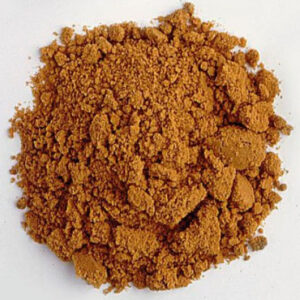
- Forms: Betel nuts are available in various forms, including whole nuts, sliced pieces, or ground powder. They can be fresh, dried, or processed.
Cultural and Traditional Uses:
- Chewing Practice: Betel nut is often chewed along with betel leaves (Piper betle) and slaked lime (calcium hydroxide). This practice is common in many parts of South and Southeast Asia. It is often mixed with other ingredients like tobacco or spices to enhance the flavor and effects.
- Rituals and Ceremonies: In many cultures, betel nut plays a significant role in social, religious, and ceremonial contexts. It is often offered to guests as a sign of hospitality and is used in traditional rituals and ceremonies.
Effects and Health Implications:
- Stimulant Effects: Betel nut contains arecoline, an alkaloid that acts as a stimulant, producing effects similar to caffeine or nicotine. Chewing betel nut can lead to increased alertness and a sense of euphoria.
- Health Risks: Despite its cultural significance, the use of betel nut has several health risks:
- Oral Health Issues: Regular use can lead to staining of teeth, gum disease, and an increased risk of oral cancer.
- Addiction: Betel nut can be addictive, and long-term use can lead to dependency.
- Digestive Issues: Chewing betel nut can cause digestive problems and has been linked to conditions like peptic ulcers and liver issues.
- Moderation and Awareness: Due to these health risks, it is important to use betel nut in moderation and be aware of its potential effects. Public health campaigns in many countries aim to educate people about the risks associated with betel nut chewing.


Reviews
There are no reviews yet.