

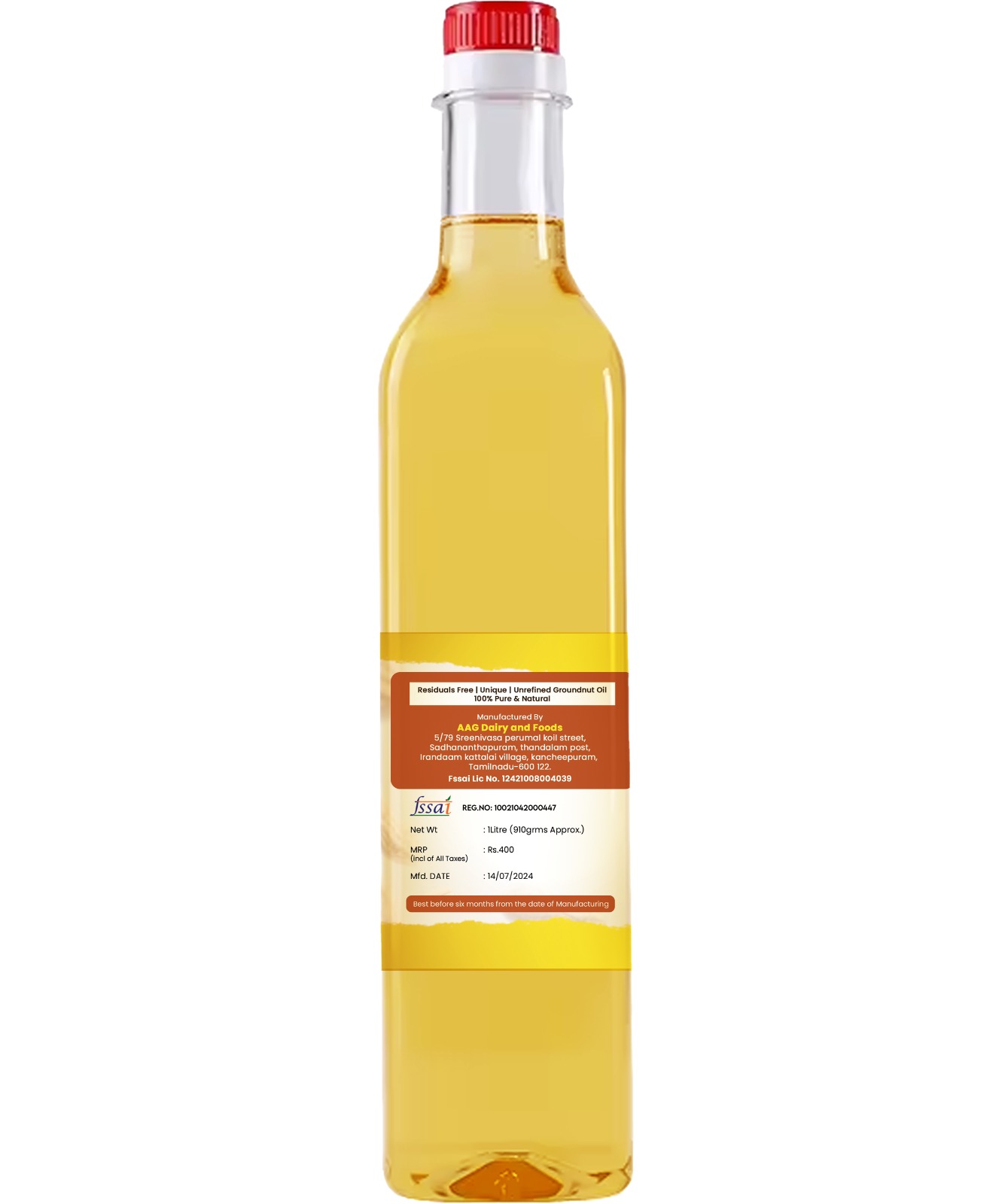
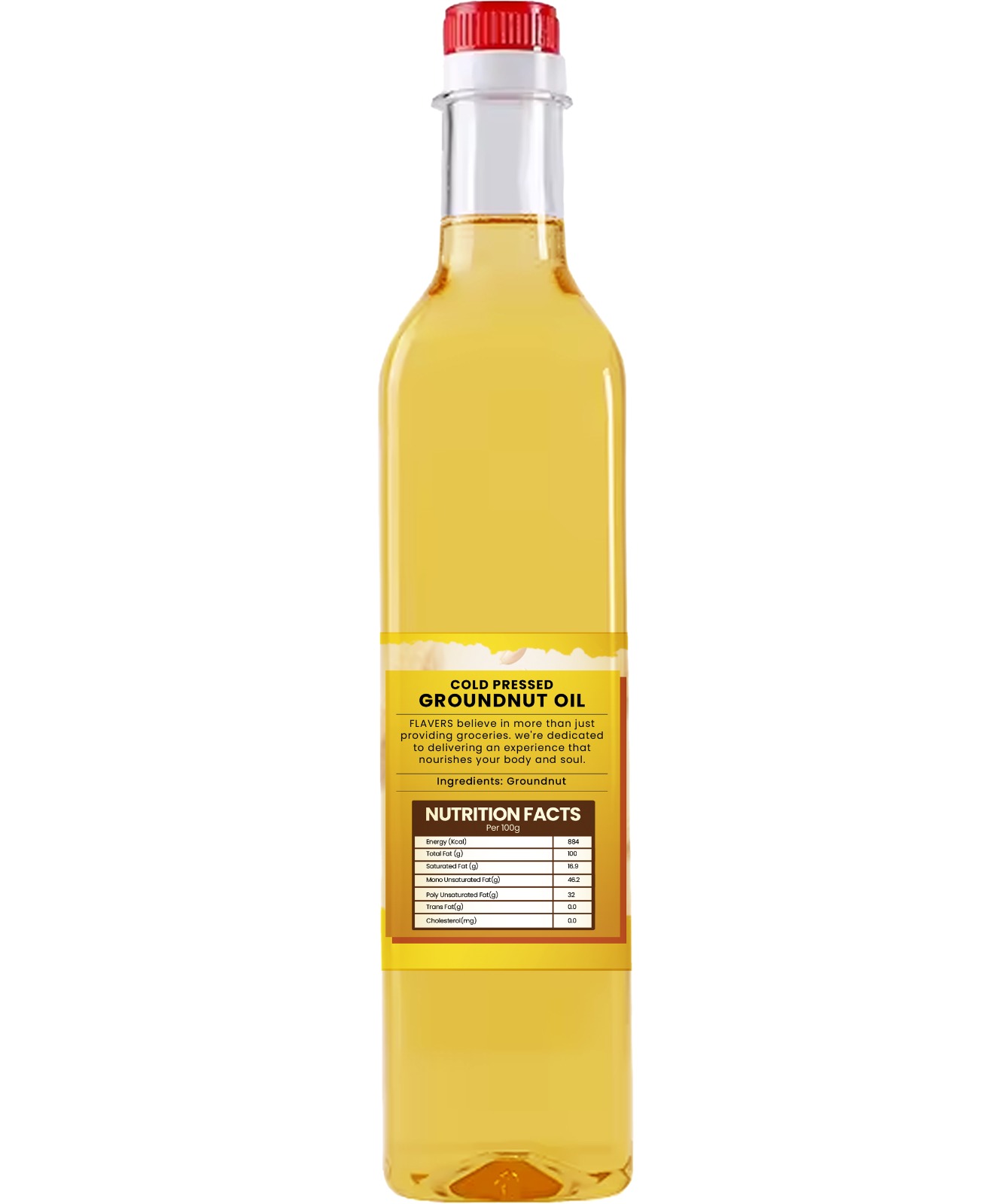
Description
Groundnut oil, also known as peanut oil, is a popular cooking oil derived from peanuts. It is widely used in culinary applications due to its pleasant flavor and high smoke point. Here are some key points about groundnut oil:
Types of Groundnut Oil
- Refined Peanut Oil: Processed to remove impurities, odor, and flavor, making it suitable for high-heat cooking.
- Cold-Pressed Peanut Oil: Extracted without heat, retaining more nutrients and a stronger peanut flavor.
- Gourmet Peanut Oil: Often roasted, giving it a distinct, rich flavor.
Uses of Groundnut Oil
Cooking
- High Smoke Point: Ideal for frying, sautéing, and other high-heat cooking methods.
- Flavor: Adds a mild, nutty flavor to dishes, which can enhance the taste of certain foods.
Nutritional Information
- Fats: Contains monounsaturated fats (oleic acid) and polyunsaturated fats (linoleic acid), which are considered healthier fats.
- Vitamin E: Rich in vitamin E, an antioxidant that helps protect cells from damage.
Health Benefits
- Heart Health: The monounsaturated and polyunsaturated fats can help reduce bad cholesterol levels and improve heart health.
- Antioxidants: Vitamin E and other antioxidants in peanut oil help protect the body from oxidative stress.
Considerations
- Allergies: People with peanut allergies should avoid peanut oil, especially unrefined varieties, as they may contain allergens.
- Moderation: Like all oils, it should be consumed in moderation due to its high-calorie content.
- Processing: Refined peanut oil is less likely to cause allergic reactions because the refining process removes allergens, but caution is still advised.
Culinary Tips
- Frying: Perfect for deep-frying due to its high smoke point and neutral taste.
- Salad Dressings: Cold-pressed or gourmet peanut oil can be used in dressings and marinades to add a rich, nutty flavor.
Groundnut oil’s versatility, nutritional benefits, and pleasant flavor make it a popular choice for both cooking and salad dressings.


Reviews
There are no reviews yet.