
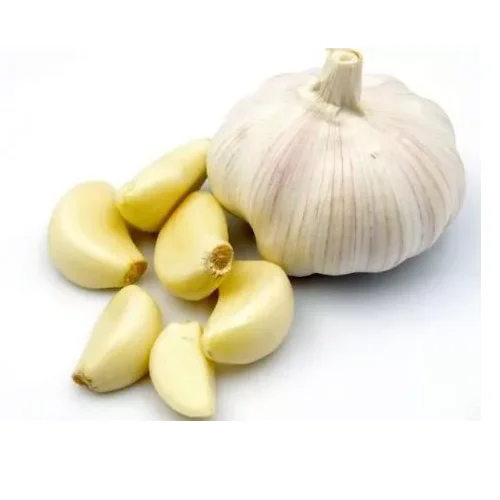
Description
Garlic, scientifically known as Allium sativum, is a species in the onion genus, Allium. It is widely used as a flavoring agent in cooking due to its strong, pungent taste and aroma. Garlic has been cultivated for thousands of years and is prized not only for its culinary uses but also for its potential health benefits.
Nutritional Value:
- Vitamins: Garlic contains vitamins such as vitamin C, vitamin B6, and trace amounts of other B vitamins.
- Minerals: Rich in minerals like manganese, selenium, calcium, potassium, iron, and magnesium.
- Antioxidants: Contains antioxidants such as allicin, which help protect cells from damage caused by free radicals.
- Sulfur Compounds: Responsible for garlic’s distinct aroma and many of its health benefits.
Culinary Uses:
- Seasoning: Garlic is commonly used as a seasoning in a wide variety of savory dishes, including soups, stews, sauces, and marinades.
- Raw Consumption: Raw garlic can be minced or crushed and added to salads, dressings, and dips for extra flavor.
- Roasting and Grilling: Roasted or grilled garlic cloves have a milder flavor and can be spread on bread or used in mashed potatoes and other dishes.
- Infusions: Garlic-infused oils and vinegars add garlic flavor to cooking oils, dressings, and marinades.
Health Benefits:
- Immune Support: Garlic has antimicrobial properties and may help strengthen the immune system.
- Heart Health: Garlic may help lower cholesterol levels, blood pressure, and reduce the risk of heart disease.
- Anti-inflammatory Effects: Compounds in garlic have anti-inflammatory properties, which may help reduce inflammation in the body.
- Antioxidant Properties: Garlic is rich in antioxidants that help protect against oxidative damage.
- Antibacterial and Antiviral: Garlic has natural antibacterial and antiviral properties that may help fight infections.



Reviews
There are no reviews yet.