
Description
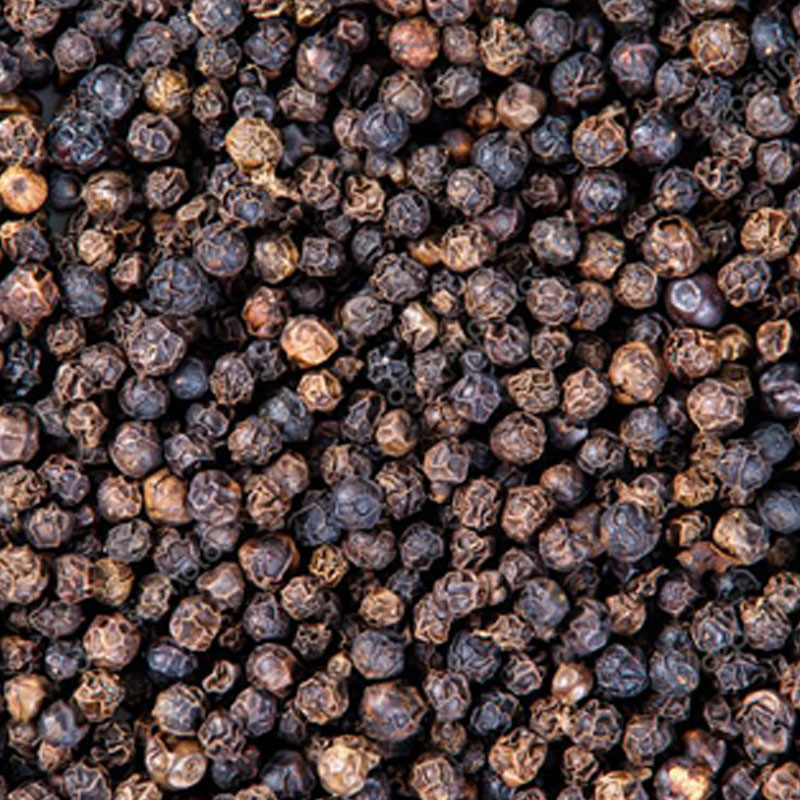
Pepper, specifically black pepper (Piper nigrum), is one of the most commonly used spices worldwide, renowned for its sharp, pungent flavor and versatile culinary uses. It is often referred to as the “king of spices” and has a rich history dating back thousands of years.
Nutritional Value:
- Vitamins: Contains vitamins such as vitamin K, vitamin C, and B vitamins (particularly B6).
- Minerals: Rich in minerals like iron, magnesium, potassium, and calcium.
- Antioxidants: High in antioxidants, particularly piperine, which helps fight free radicals and reduce inflammation.
- Fiber: Provides dietary fiber, aiding in digestion.
Culinary Uses:
- Seasoning: Commonly used as a seasoning for a wide range of dishes, from soups and salads to meats and vegetables.
- Spice Blends: Integral part of various spice blends, such as garam masala, curry powder, and spice rubs.
- Marinades and Dressings: Used in marinades and salad dressings to enhance flavor.
- Cooking and Garnishing: Added during cooking or as a finishing touch to enhance the aroma and taste of dishes.
Health Benefits:
- Digestive Health: Stimulates the production of digestive enzymes, aiding in digestion and alleviating issues like bloating and gas.
- Anti-inflammatory Properties: Piperine has anti-inflammatory effects that can help reduce pain and inflammation.
- Antioxidant Properties: High in antioxidants, which help protect cells from damage caused by free radicals.
- Improved Nutrient Absorption: Piperine enhances the absorption of nutrients such as curcumin (found in turmeric) and beta-carotene.
- Respiratory Health: Traditionally used to relieve respiratory issues such as coughs and colds due to its expectorant properties.



Reviews
There are no reviews yet.