
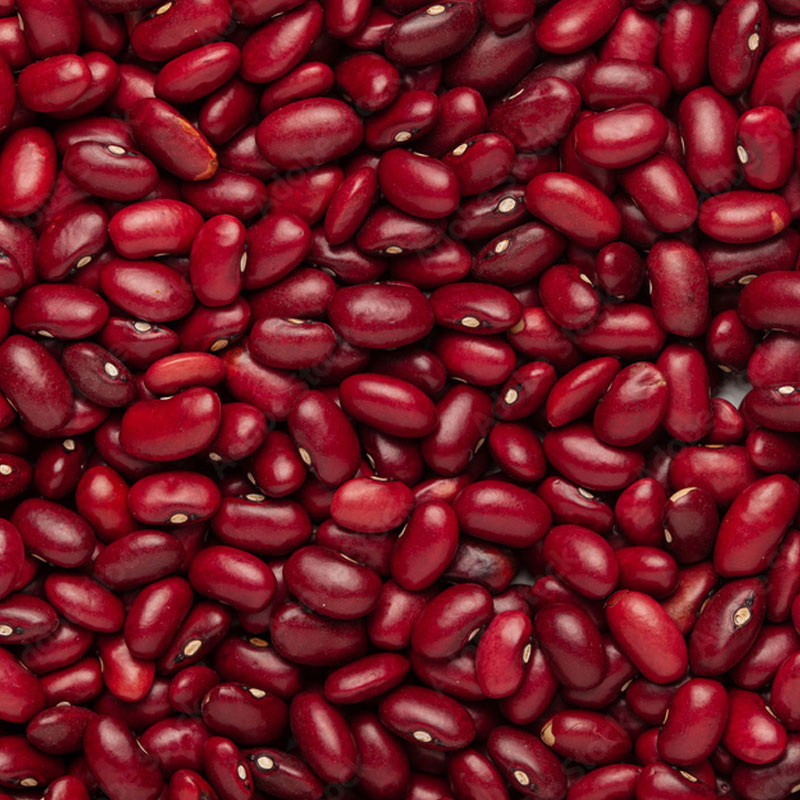
Description
Rajma, also known as kidney beans, is a popular legume widely used in Indian cuisine, particularly in the northern regions. It’s a versatile ingredient that can be used to make various delicious dishes, including the famous Rajma curry. Here’s a detailed overview of Rajma:
Nutritional Value:
- Protein: Rajma is a rich source of plant-based protein, essential for muscle building and repair.
- Fiber: High in dietary fiber, which aids digestion, promotes satiety, and helps regulate blood sugar levels.
- Vitamins and Minerals: Contains vitamins such as folate, vitamin K, and minerals like iron, potassium, magnesium, and zinc.
Culinary Uses:
- Rajma Curry: The most popular dish made with kidney beans is Rajma curry, a flavorful stew made with kidney beans cooked in a spiced tomato-based gravy.
- Rice and Rajma: Rajma is often served with steamed rice, known as Rajma Chawal, which is a comforting and wholesome meal.
- Salads: Kidney beans can be added to salads for extra protein and fiber, along with vegetables, herbs, and a dressing.
- Wraps and Tacos: Cooked kidney beans can be used as a filling for wraps, burritos, tacos, and quesadillas, along with other ingredients like cheese, vegetables, and salsa.
- Soups and Stews: Kidney beans can be added to soups and stews for a hearty and nutritious meal.
Preparation:
- Soaking (Optional): Soak dried kidney beans in water overnight or for at least 8 hours to reduce cooking time and improve digestibility.
- Boiling: Drain and rinse the soaked kidney beans, then boil them in fresh water until they are soft and tender. This usually takes about 45 minutes to 1 hour, depending on the freshness of the beans.
- Curry Preparation: Once boiled, kidney beans can be used to make Rajma curry by cooking them with onions, tomatoes, ginger, garlic, and a blend of spices like cumin, coriander, turmeric, and garam masala.
- Seasoning: Season the Rajma curry with salt and adjust the spices according to your taste preferences.
Storage:
- Dry Form: Store dried kidney beans in an airtight container in a cool, dry place away from sunlight.
- Cooked Form: Refrigerate cooked kidney beans in an airtight container for up to 3-4 days, or freeze them for longer-term storage.
Health Benefits:
- Heart Health: Rich in fiber, potassium, and magnesium, kidney beans help lower cholesterol levels and maintain healthy blood pressure.
- Weight Management: High in protein and fiber, kidney beans promote satiety and aid in weight management.
- Blood Sugar Control: The fiber content in kidney beans helps stabilize blood sugar levels and prevent insulin spikes.
- Digestive Health: Kidney beans are a good source of soluble fiber, which promotes digestive health and prevents constipation.
- Bone Health: Contains minerals like calcium, phosphorus, and magnesium, essential for maintaining strong and healthy bones.
Cultural Significance:
- Indian Cuisine: Rajma is a staple in North Indian cuisine, especially in Punjab, where it’s enjoyed with rice or roti as a wholesome meal.
- Festive and Celebratory Meals: Rajma curry is often prepared for special occasions, festivals, and gatherings as it’s considered a comforting and celebratory dish.


Reviews
There are no reviews yet.