
Description
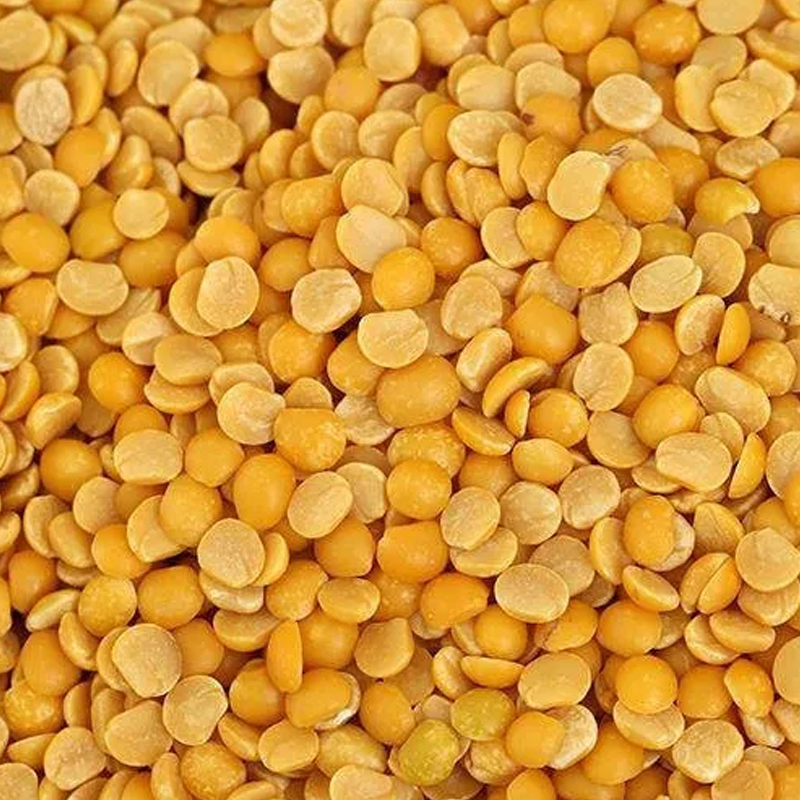
Toor dal, also known as pigeon pea or arhar dal, is a staple legume in Indian cuisine. It is highly valued for its nutritional content and versatility in cooking. Here are some key points about toor dal:
Nutritional Value:
- Protein: A rich source of protein, making it essential for vegetarians and vegans.
- Fiber: High in dietary fiber, promoting digestive health.
- Vitamins and Minerals: Contains iron, calcium, magnesium, potassium, and vitamins like B-complex.
Culinary Uses:
- Dal Tadka/Dal Fry: Cooked with spices and served with rice or roti.
- Sambar: A South Indian dish combining toor dal with vegetables and spices.
- Kootu: A Tamil Nadu dish made with dal and vegetables.
- Stews and Soups: Added to various soups and stews for thickness and nutrition.
Preparation:
- Rinse: Rinse the dal thoroughly to remove any dirt or impurities.
- Soak (Optional): Soaking for 30 minutes can reduce cooking time.
- Cook: Boil the dal with water until soft. You can use a pressure cooker for quicker results.
- Seasoning: Add salt, turmeric, and other spices as per recipe requirements.
Storage:
- Dry Form: Store in an airtight container in a cool, dry place.
- Cooked Form: Refrigerate and consume within a few days.
Health Benefits:
- Heart Health: The presence of potassium and low sodium content helps in maintaining blood pressure.
- Diabetes Management: High fiber content helps regulate blood sugar levels.
- Weight Management: Low in calories and high in protein and fiber, helping in satiety.
Cultural Significance:
- Toor dal is integral to various regional cuisines in India, reflecting the diversity of cooking styles and flavors across the country.
Toor dal is not only a culinary delight but also a powerhouse of nutrition, making it a valuable addition to a balanced diet.


Reviews
There are no reviews yet.