
Description
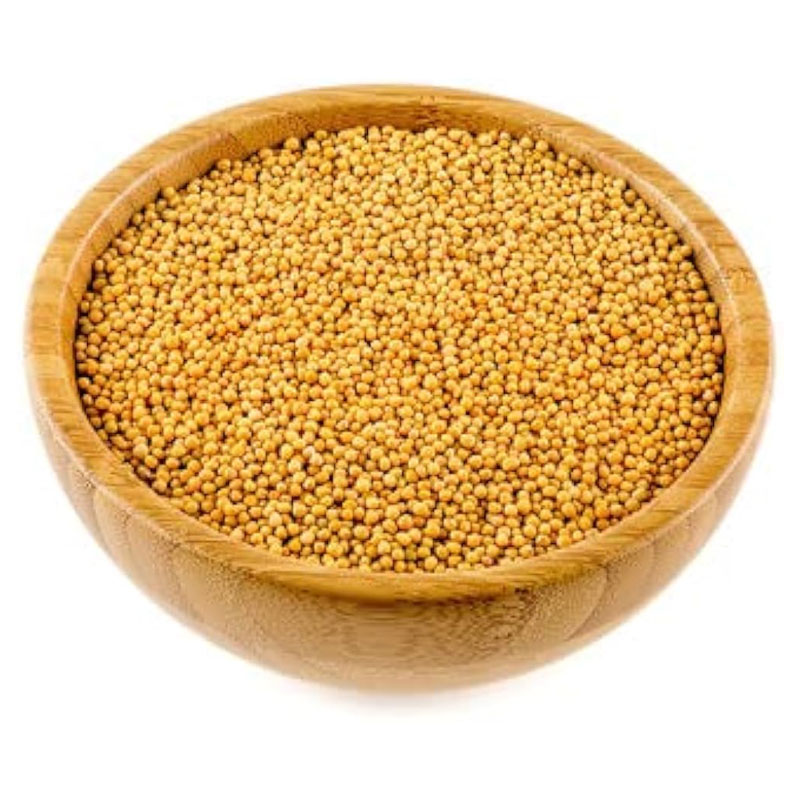
White mustard, scientifically known as Sinapis alba, is a species of mustard plant native to the Mediterranean region but cultivated worldwide. It is primarily grown for its seeds, which are used to produce mustard condiments, mustard powder, and cooking oil.
Culinary Uses:
- Mustard Condiments: White mustard seeds are commonly used in the production of mustard condiments, such as yellow mustard. The seeds are ground into a paste with vinegar, water, salt, and other seasonings to create the familiar yellow mustard sauce.
- Mustard Powder: Ground white mustard seeds can be used to make mustard powder, which can be used as a spice in cooking, pickling, and seasoning.
- Pickling: Whole white mustard seeds can be added to pickling recipes to impart flavor and texture to pickled vegetables.
- Seasoning: White mustard seeds, when ground or crushed, can be used as a seasoning in a variety of dishes, including curries, sauces, marinades, and salad dressings.
Flavor Profile:
- Mild Flavor: White mustard seeds have a milder flavor compared to their brown and black counterparts. They impart a subtle tanginess and heat to dishes without overwhelming the palate.
- Versatile: Due to their mild flavor, white mustard seeds can be used in a wide range of recipes without dominating other flavors.
Health Benefits:
- Nutritional Value: White mustard seeds are rich in nutrients such as protein, fiber, vitamins (including vitamin C, vitamin A, and various B vitamins), and minerals (such as calcium, magnesium, and iron).
- Antioxidants: Contains antioxidants that help protect cells from damage caused by free radicals.
- Anti-inflammatory Properties: Compounds in white mustard seeds may have anti-inflammatory effects, benefiting overall health.


Reviews
There are no reviews yet.